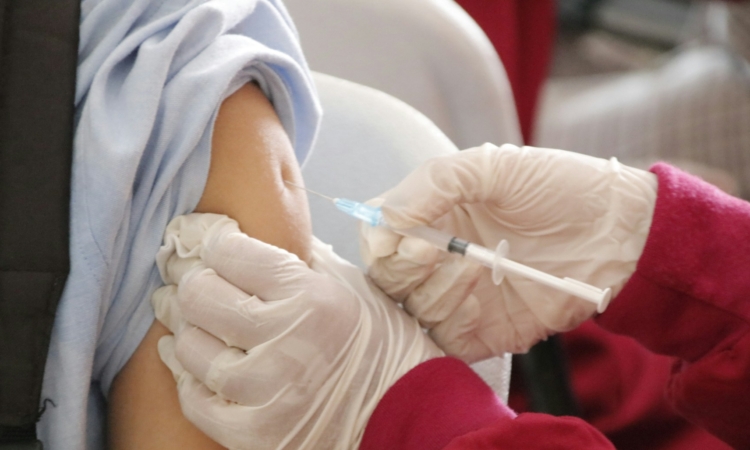
To enter Rwanda for a safari in Akagera National Park, you must have a Yellow Fever vaccination certificate. It is also a good idea to talk to a doctor or travel clinic at least eight weeks before your trip to discuss other necessary vaccines. Taking malaria medicine and carrying a first aid kit are important for a safe and pleasant Rwanda safari.
Traveling to a new place can be a little stressful, especially if you don’t know what to expect. When planning your vaccines for the safari in Rwanda, here are some options to consider:
- A Yellow Fever vaccination certificate is required to enter Rwanda. Travelers coming from or passing through areas where Yellow Fever is common must show a valid certificate.
- Vaccines for Hepatitis A and B are strongly recommended for most visitors.
- It is wise to take antimalarial medicine and use mosquito repellent.
- Typhoid vaccine is advised, especially if you plan to visit rural areas or try local food.
- Make sure your tetanus vaccine is up to date since outdoor activities can cause cuts and scrapes.
- Polio vaccine is recommended, particularly for children.
- Check that you have received both doses of the measles vaccine, especially because of occasional outbreaks.
- If you travel during Rwanda’s dry season (December to June), you might want to get the meningococcal vaccine.
- A flu shot can help protect you from seasonal flu, especially on long flights.
- Consider getting a rabies vaccine if you will be camping or spending time around animals.
Book Now