
Ultimate Guide to Akagera Tours & Safaris in Rwanda
Planning to book Akagera tours or an Akagera safari in Rwanda? Akagera National Park is Rwanda’s only savanna park, giving tourists on a Rwanda safari the chance to see all of the big five African game in the wild.
It is one of Africa’s oldest parks, established in 1934, and covers 1,122 sq km of land.
Akagera National Park 4K Video
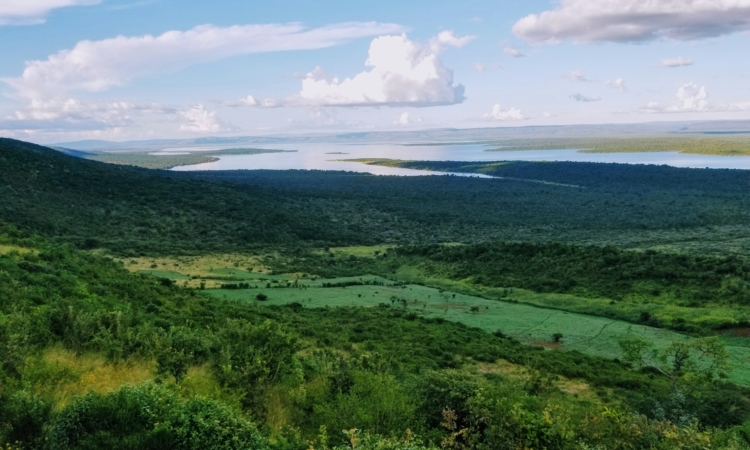
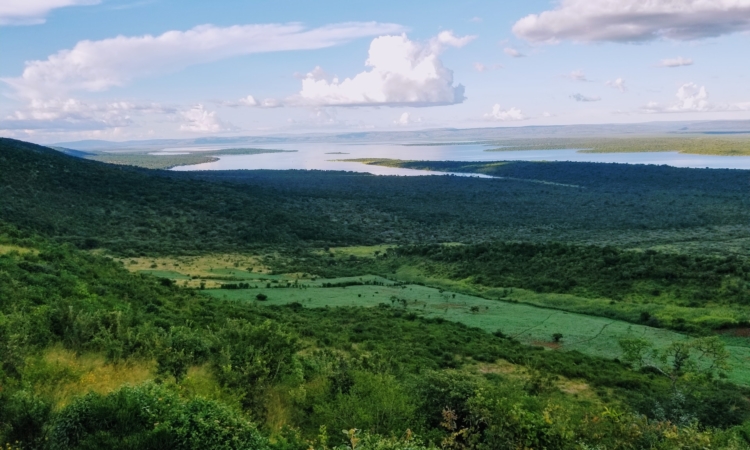
The park has a landscape of savanna grassland, montane vegetation, and wetlands, home to a wide range of animals and birds.
It takes its name from the Kagera River, which flows along its eastern border before emptying into Lake Ihema and other lakes in the park.
Our Akagera safaris cover game drives, bird watching, guided walks, boat cruises, and sport fishing. Key attractions include Lake Ihema and Mutumba Hills.
The park has a dry season and a wet season, each offering a different experience on an Akagera National Park safari. The dry season is best for game viewing, while the wet season is best for bird watching.
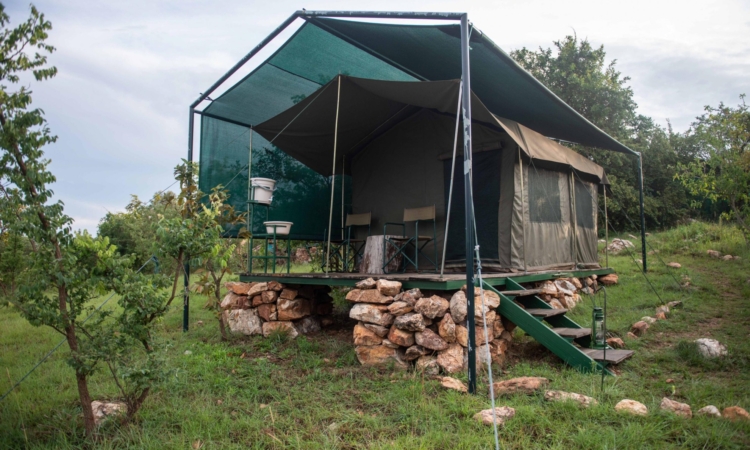
If you plan to visit Akagera National Park on a budget, camping is also available at designated campsites across the park.
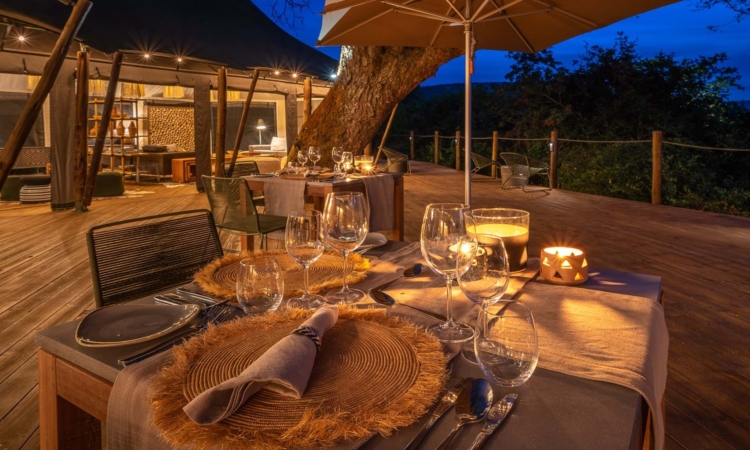
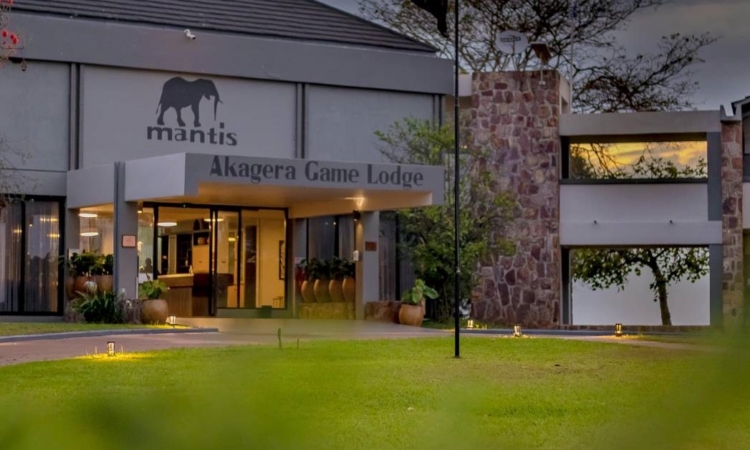
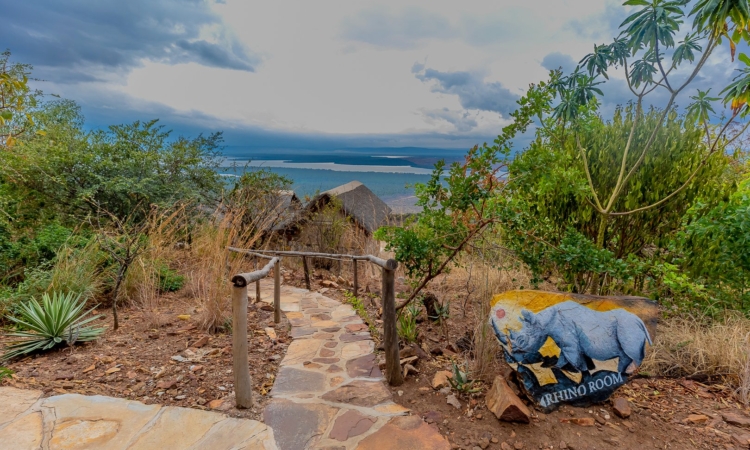
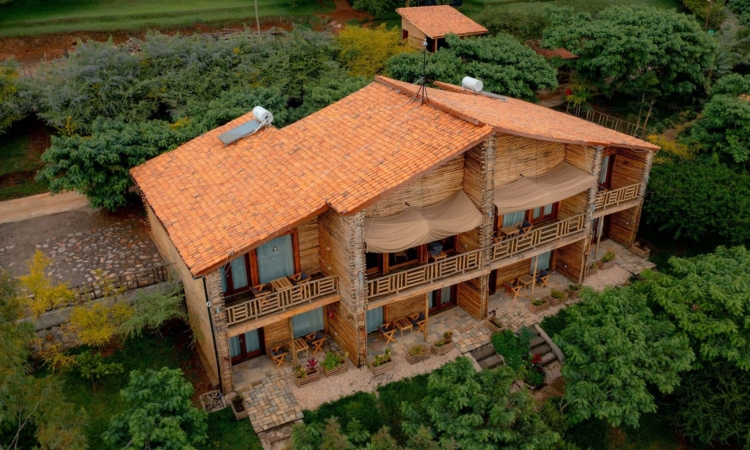
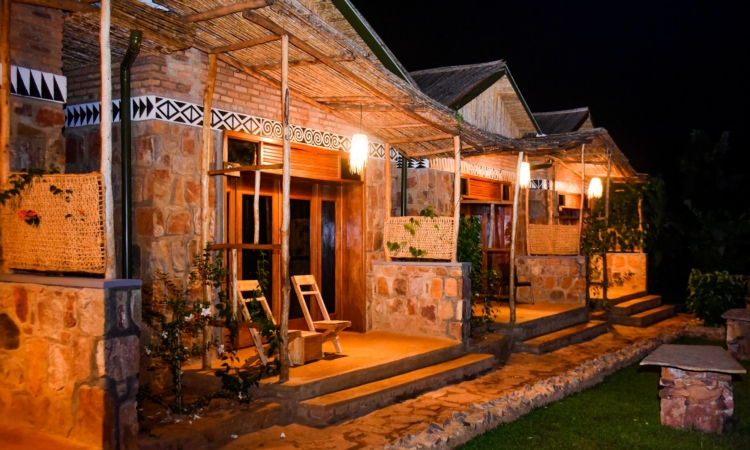
Accommodation ranges from budget to luxury, including Magashi Camp, Ruzizi Tented Lodge, Akagera Rhino Lodge, and Akagera Game Lodge. Book your Akagera tour or safari below and start planning your trip today.
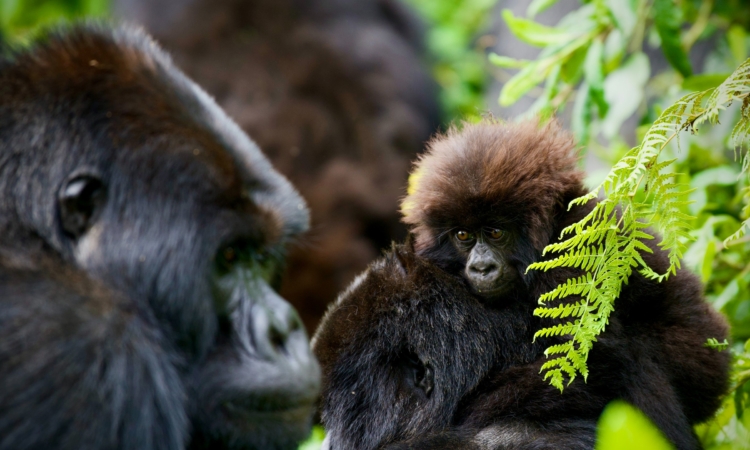
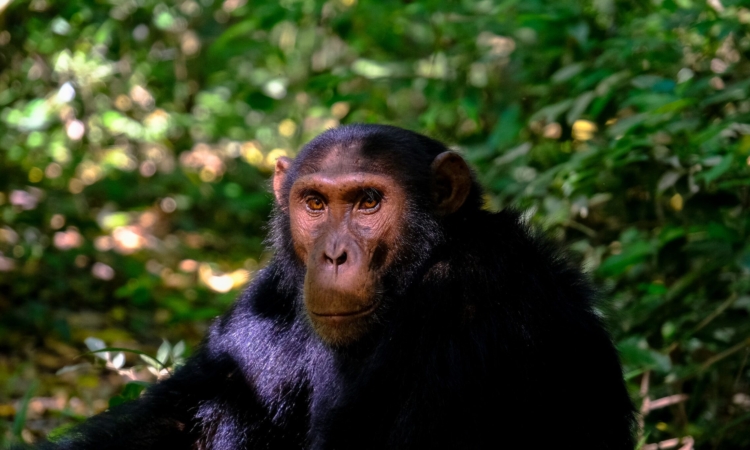
Other popular Akagera safari combinations include chimpanzee trekking and gorilla trekking safaris.
Animals to See on an Akagera Safari
Akagera is home to the big game, including African elephants, buffaloes, leopards, lions, and rhinos.
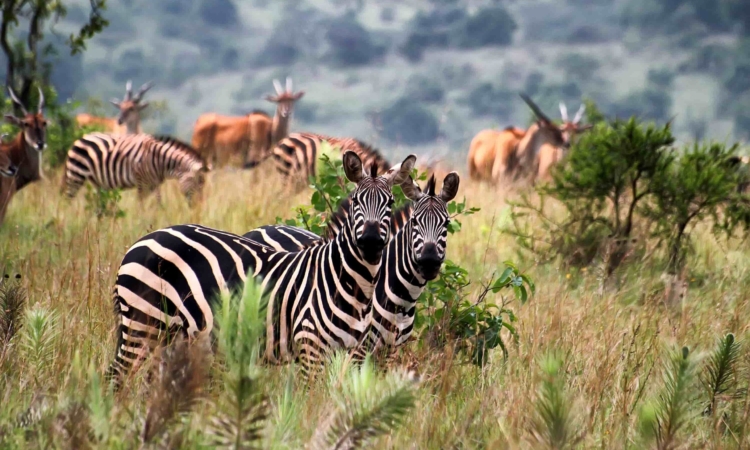
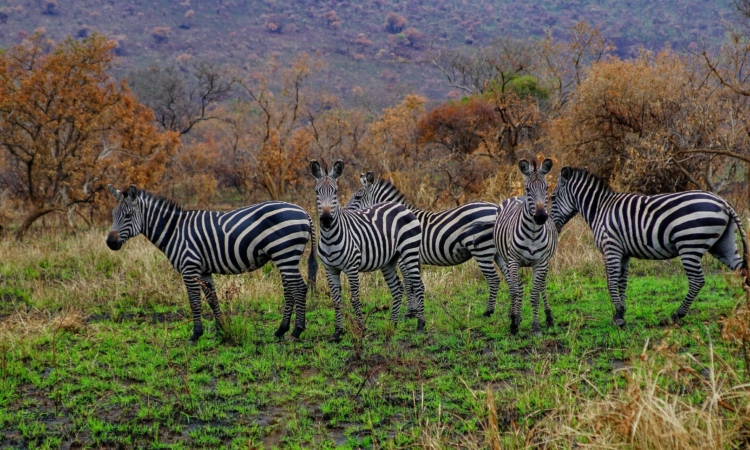
Visitors can also see Masai giraffes, antelopes, and zebras.
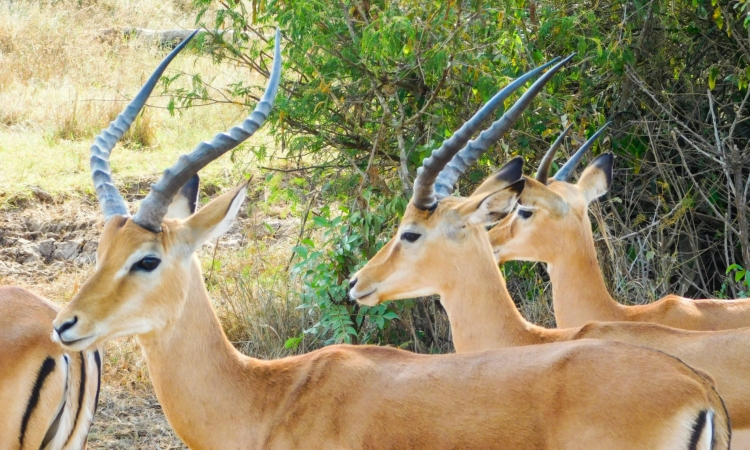
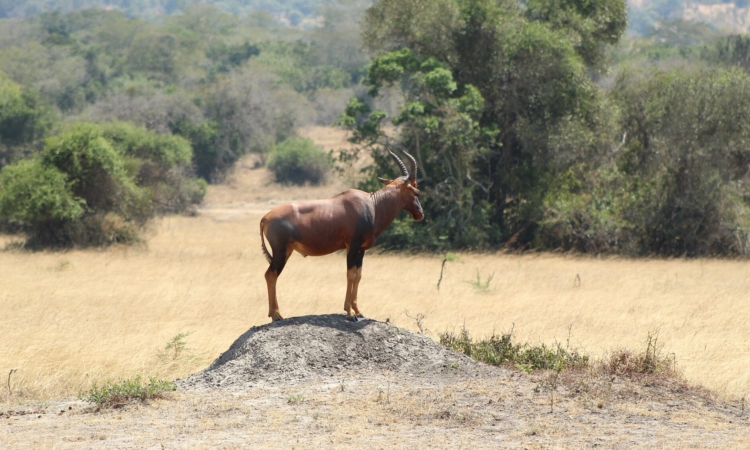
Antelope species in the park include elands, reedbucks, topis, impalas, sitatungas, and roan antelopes.
The park also protects primates such as bush babies, vervet monkeys, blue monkeys, and olive baboons.
Other wildlife includes genet cats, black-tailed mongoose, warthogs, serval cats, and bush pigs.
Birds to See on Akagera Safaris
If birding is your interest, an Akagera safari is worth adding to your Rwanda safari.
The park protects 550 bird species across its habitats, including 100 species found only in Akagera.
Species to look out for include the African jacana, osprey, white-backed vulture, lilac-breasted roller, African fish eagle, shoebill stork, fork-tailed drongo, red-winged francolin, little bee-eater, and black-headed weaver.
Other species include the long-crested eagle, white-faced whistling duck, saddle-billed stork, sooty falcon, palm-nut vulture, short-tailed pipit, papyrus gonolek, woodland kingfisher, yellow-bellied eremomela, African wattled lapwing, and squacco heron.
Akagera also hosts large numbers of ring-necked francolin, cattle egret, bare-faced go-away bird, African darter, spur-winged goose, helmeted guineafowl, crowned lapwing, eastern grey plantain-eater, goliath heron, and Shelley’s francolin.
What’s Included in Akagera Tours & Safaris – Top Activities
- Game Drives (Day & Night): Enjoy an African game drive through the savanna for 2 to 3 hours. An Akagera game drive along the different tracks exposes you to a wide range of wildlife, so keep an eye out for giraffes, zebras, birds, and antelopes alongside the big game, all from a 4WD vehicle with a pop-up roof.
- Bird Watching Safaris: Birders rarely leave Akagera disappointed. The park’s 550 bird species are spread across swamps, wetlands, forests, woodland, and savanna. Key species to look for include the shoebill stork, papyrus gonolek, white-faced whistling duck, African fish eagle, red-winged francolin, woodland kingfisher, lilac-breasted roller, eastern grey plantain-eater, sooty falcon, and Shelley’s francolin.
- Guided Nature Walks: A guided nature walk is one of the best ways to explore Akagera’s habitats up close and spot species you might miss on a game drive.
- Boat Safari: A boat cruise on Lake Ihema gives you a close view of crocodiles, aquatic birds, and hippos. A day boat ride costs $35 for adults and $20 for children aged 6 to 12. Scheduled sunset boat trips cost $45 for adults and $30 for children aged 6 to 12. Private, non-scheduled boat rides cost $180 for up to 11 people.
- Sport Fishing: Fishing is available on Lake Shakani. Stay at Lake Shakani campsite for easy access to the fishing spot.
Other Activities on an Akagera Safari
Akagera camping is available at $25 per person per night for adults and $15 for children aged 6 to 12.
Other activities include behind-the-scenes tours, cultural experiences, and helicopter tours. See the full list of things to do in Akagera for more options.
Tourist Attractions – What to See on an Akagera National Park Safari
Akagera National Park is home to the African Big Five in Rwanda. As the country’s largest park, covering 1,122 sq km, it holds a wide range of wildlife, including species found nowhere else in Rwanda, since it is the only savanna park in the country.
These attractions draw a significant number of visitors to the park.
- Animal Life: Akagera is a major draw for the Big Five, including lions, elephants, buffalo, rhinos, and leopards. The park also holds Burchell’s zebras, Masai giraffes, roan antelopes, sitatunga antelopes, duikers, spotted hyenas, elands, impalas, black and white colobus monkeys, olive baboons, warthogs, hippos, bush babies, crocodiles, topis, oribis, and more.
- Bird Life: With over 400 recorded bird species, Akagera offers a rewarding experience for birdwatchers. Its habitats support savanna birds, water and papyrus species, and woodland and forest species. Notable birds include the African fish eagle, red-faced barbet, shoebill stork, yellow-billed stork, common cormorant, pelican, kingfisher, papyrus gonolek, grey-backed fiscal, grey-crowned crane, ibis, long-crested eagle, Carruthers’s cisticola, buzzard, egret, and more.
- Lake Ihema: The second-largest lake in Rwanda sits in the southern part of Akagera, where visitors can enjoy boat safaris and sport fishing.
- Other Lakes: Akagera also holds Lake Rwanyakazinga, Lake Shakani, Lake Mihindi, and Lake Gishanju. These lakes support the park’s wildlife, especially during the dry season.
- Mutumba Hills: These hills offer scenic views and hiking and nature walk trails.
Combine your Akagera safari with visits to other national parks in the country for a complete Rwanda experience.
Climate & Weather of Akagera
Akagera National Park, located in Eastern Rwanda on the border with Tanzania, has a tropical savanna climate with dry and wet seasons.
Its temperatures stay fairly consistent throughout the year, with daytime highs of 25 to 30°C and nighttime lows around 15°C.
The Dry Season in Akagera National Park
June, July, August, and September
- The park receives little to no rain.
- Day temperatures stay around 26°C, especially in the afternoon.
- Clear skies and sunny days give good conditions for wildlife photography.
- The park turns dry and dusty.
- Vegetation thins out and grasses turn dry and short, improving visibility.
- Animals gather around water sources, giving good game sightings.
- This is the best time for an Akagera safari and the peak tourist season.
- Expect higher rates during this period.
- Tourist traffic is higher in the park.
- Book your Akagera tour or safari in advance for this season.
The Wet Season in Akagera National Park
October to November (Short Rains)
- Short rains replenish the park’s plant life and water sources after the dry season.
- This is a good time for bird watching, as migratory birds enter the park.
- Afternoon rain is common.
March, April, and May (Long Rains)
- Heavy rains fall, with April the wettest month.
- The park turns lush and green.
- This is the best time for bird watching in Akagera.
- This is also the best time to see newborn wildlife.
- This is the low season, with less tourist traffic.
- Lower rates apply.
- Park roads can turn muddy and slippery.
January and February (Short Dry Spell)
- This is a short dry spell between the two wet seasons.
- It’s a good time for an Akagera National Park safari.
- Occasional rainfall can occur.
- Clear skies and sunny days give good wildlife viewing and photography conditions.
The dry season is the best time for a wildlife safari in Akagera, but our Akagera tours and safaris run year-round with something to offer in every season. See our full best time to visit Akagera guide for more detail.
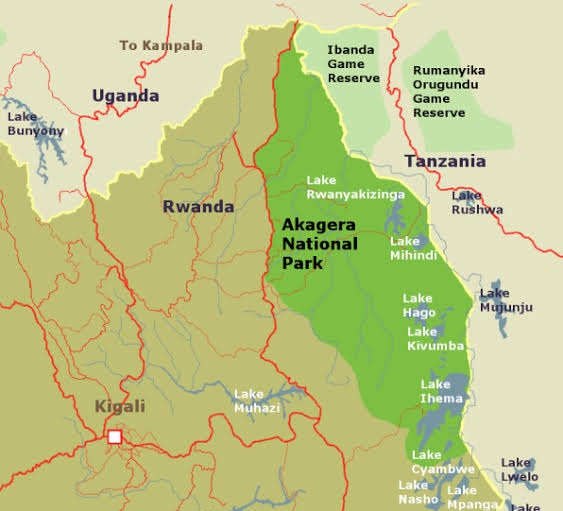
Location of Akagera
If you’re looking for an accessible destination to start your Akagera safari, Akagera National Park should be on your list.
Set in Eastern Rwanda, close to the border with Tanzania, the park is about two and a half hours’ drive from Kigali.
Map of Akagera
Getting There
- By Road: Akagera is about two and a half hours’ drive from Kigali, Rwanda’s capital. The park sits in the northeast, close to the border with Tanzania. Take the Rwamagana route via the Kayonza roundabout, 15 km to Kabarondo, then continue to the Kayonza gate, 3 km from the Akagera park offices. See all gates of Akagera for other entry points.
- By Air: Helicopter flights are available from Kigali International Airport to Akagera National Park.
Best Time for Akagera Tours & Safaris
Akagera National Park welcomes visitors on Akagera tours and safaris all year round. For game drives and wildlife viewing, the best time to visit is during the dry season, from June to September, or the second dry spell from December to February.
If bird watching is your main interest, the wet season is the better choice.
The wet season months to mark on your travel calendar are March, April, May, October, and November.
Akagera National Park Prices & Accommodation
Akagera national park prices vary depending on the season, activities, and accommodation you choose. Budget travelers can find Akagera safari camp and campsite options, while those looking for something more comfortable can book Magashi Camp, Ruzizi Tented Lodge, Akagera Rhino Lodge, or Akagera Game Lodge. Other options include Vintage Cottage and Akagera Transit Lodge near the park gates. Check the park entry fees before you book.
Browse our Akagera safari tours and Akagera safari packages below to compare prices and book the Akagera safari that fits your travel dates and budget.
Frequently Asked Questions About Akagera Tours & Safaris
How many days do I need for an Akagera safari?
Most visitors spend 1 to 3 days in Akagera National Park. A 1 day Akagera National Park safari covers a game drive and a boat cruise. A 2 or 3 day Akagera safari gives you more time for game drives, bird watching, and a boat safari on Lake Ihema without rushing.
What is the best Akagera safari camp to stay at?
Magashi Camp is the top luxury Akagera safari camp, set on the shores of Lake Rwanyakazinga. Ruzizi Tented Lodge and Karenge Bush Camp are also popular mid-range and tented camp options inside the park.
Are there budget hotels near Akagera National Park?
Yes. Akagera National Park hotels range from budget guesthouses outside the park gates to mid-range lodges such as Akagera Transit Lodge and Dereva Hotel. Budget travelers can also camp at designated campsites inside the park.
What is the Akagera Rhino Lodge like?
Rhino Lodge Akagera is a mid-range lodge set on a hilltop inside the park, offering views over the savanna. It is a good option for travelers who want comfort without luxury prices.
How much does Akagera Game Lodge cost?
Akagera Game Lodge price varies by season and room type, with dry season rates typically higher due to demand. Contact us for current Akagera Game Lodge rates and availability.
How much does Magashi Camp cost per night?
Magashi camp prices depend on the season and package selected, since it operates as an all-inclusive luxury camp with game drives, meals, and a boat cruise included. Reach out for current Magashi Camp rates.
What is Karenge Bush Camp?
Karenge Bush Camp is a small tented camp inside Akagera National Park, offering a more rustic and immersive safari experience than the larger lodges.
Is there a Magashi Lodge in Akagera?
Magashi Camp is sometimes searched as Magashi Lodge, though it operates as a tented camp rather than a traditional lodge. It remains one of the most sought-after stays in Akagera National Park.
What lodges are available in Akagera National Park?
Lodges in Akagera National Park include Magashi Camp, Ruzizi Tented Lodge, Akagera Rhino Lodge, Akagera Game Lodge, Karenge Bush Camp, and Vintage Cottage, covering luxury, mid-range, and budget options.
Can I camp in Akagera National Park?
Yes, Akagera National Park camping is available at Mutumba Campsite, Lake Shakani Campsite, and Muyumbu Campsite. Camping costs $25 per person per night for adults and $15 for children aged 6 to 12.
What is a typical Akagera game drive like?
An Akagera game drive takes place in a 4WD vehicle with a pop-up roof and lasts 2 to 3 hours. Day and night game drives are both available, with night drives offering a chance to see nocturnal species.
Is Akagera a national park or a game park?
Akagera game park is officially known as Akagera National Park, Rwanda’s only savanna park and home to the Big Five.
How much does it cost to visit Akagera National Park?
The price to visit Akagera National Park depends on your nationality, the activities you choose, and your accommodation. Entry fees, game drives, and boat cruises are priced separately from lodging.
Where is Akagera National Park located?
National park Akagera sits in Eastern Rwanda, close to the border with Tanzania, about two and a half hours’ drive from Kigali.
Can I do a 2 day Akagera National Park trip?
Yes, a 2 day Akagera National Park safari is a popular option for travelers with limited time, covering a game drive and a boat cruise on Lake Ihema.
What about a 3 day Akagera National Park itinerary?
A 3 day Akagera National Park trip allows time for multiple game drives, a boat safari, and a guided nature walk, giving a fuller picture of the park’s wildlife and landscapes.
Does Akagera National Park have an official website?
Akagera National Park is managed by African Parks in partnership with the Rwanda Development Board. Our site provides tours, accommodation options, and travel information to help you plan your visit.
What animals will I see on an Akagera safari?
Akagera is home to the Big Five: lions, elephants, buffaloes, rhinos, and leopards. You will also likely see giraffes, zebras, hippos, crocodiles, and a wide range of antelope species.
Is Ruzizi Tented Lodge good for families?
Ruzizi Tented Lodge offers comfortable tented rooms and is set near Lake Ihema, making it a good mid-range choice for families and couples on an Akagera safari.
What is the entry fee for Akagera National Park?
Akagera National Park entry fees vary by nationality and age group, with separate rates for East African citizens, other foreign residents, and international visitors. Contact us for current entry fee rates when booking your safari.