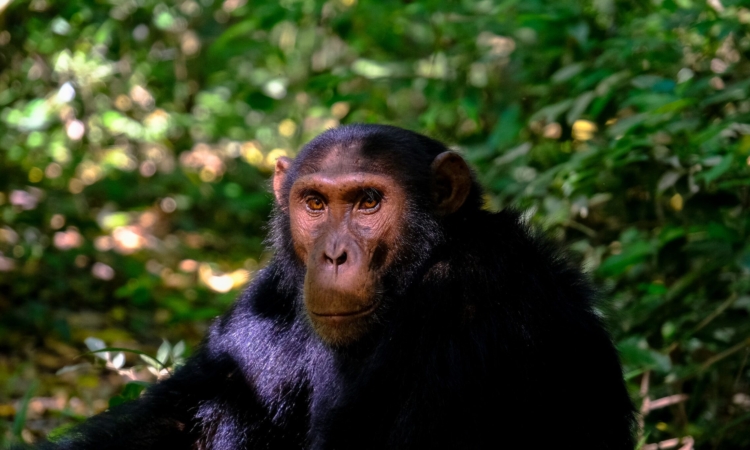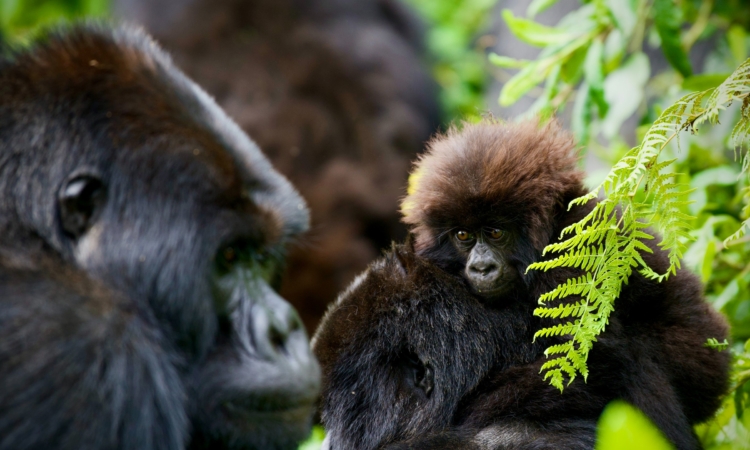

Tipping is often the last thing people think about after planning a safari to Rwanda. Once everything is set for visiting the gorillas in the Virunga Mountains, tracking chimpanzees in Nyungwe Forest, and going on safari to see the Big Five in Akagera National Park, the question of tipping usually comes up.
To begin with, tipping is not required in Rwanda. If you choose not to tip after receiving a service, no one will make you feel uncomfortable. In short, tipping is not yet a common practice in most parts of the country. It’s completely optional and based on your personal choice.
However, because many people in Rwanda earn low monthly wages that barely cover their daily needs, a tip can make a real difference in someone’s life. For this reason, it is recommended to include tipping in your travel budget when visiting Rwanda.
Who Should You Tip?
There are many people involved in the service chain during your trip, but not all of them need to be tipped. It’s best to tip those you interact with directly and who go out of their way to make your experience enjoyable. These may include porters, drivers, guides, waiters, and waitresses.
How Much Should You Tip?
Many travelers from countries where tipping is common already expect to give a gratuity, but often wonder how much is appropriate. The amount really depends on how satisfied you are with the service and what you can afford. Below is a simple guide to help you:
- For hotel waiters, waitresses, and other support staff, $5 is a good tip.
- If you prefer using local currency, 1,000 to 3,000 Rwandan francs is a kind tip. While this may be less than $5, it is still valuable locally.
- At local attractions like museums, a $10 tip for guides is fair.
- For activity guides—such as those for gorilla trekking, chimpanzee trekking, or hiking—consider giving $20 or more. These guides play a big role in conservation and work hard to make your experience special.
- Tour drivers, who spend many hours with you and ensure your safety, usually receive between $10 and $15 per person per day.
- Porters, who help carry backpacks and may even support you during difficult parts of a trek, are usually paid $10 for their service. If they give extra help, consider adding a $5 tip at the end of the hike.
Tipping is a personal choice, but it’s a kind gesture that shows appreciation for the service provided—and in Rwanda, even a small amount can go a long way.