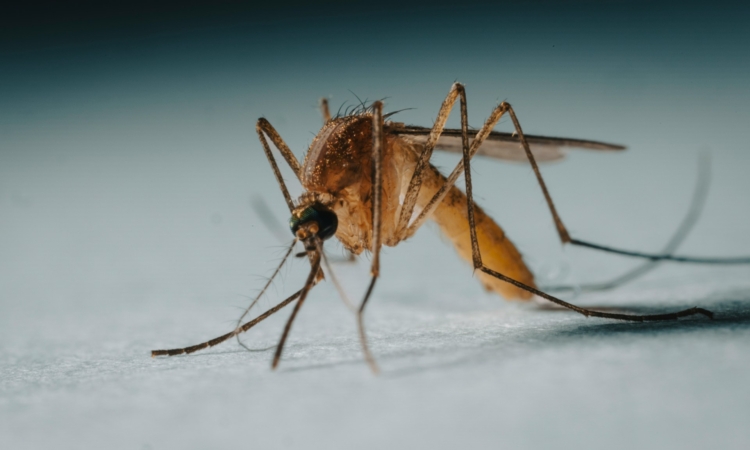
Malaria exists in Akagera National Park in Rwanda. The risk is higher during the rainy season, which runs from October to May. To stay safe, it is advised to take antimalarial medication, use insect repellent, wear long sleeves and trousers, and check on any required vaccinations.
Many travelers going not just to Akagera but to Rwanda and Africa in general worry about the risk of getting malaria while on safari. Although malaria is present, it’s important to understand that you can enjoy a safe and successful Rwanda safari without getting sick—if you take the right precautions. Choosing the right time to travel and looking after yourself while on safari can reduce your chances of getting malaria to almost zero.
Akagera National Park is in an area where malaria exists. Although actual cases are not common, Rwanda as a whole is considered a malaria zone.
The chance of catching malaria increases during the rainy seasons, from October to May, because there are more mosquitoes.
To reduce your risk, follow these steps:
- Antimalarial Medication: Talk to your doctor about taking medicine to prevent malaria.
- Insect Repellent: Use a repellent with DEET or Picaridin, especially in the early morning and evening when mosquitoes are most active.
- Clothing: Wear long-sleeved shirts and trousers, especially in the evening.
- Extra Protection: Sleep under a mosquito net, stay in places that have mosquito protection, and make sure you have travel medical insurance.
Other Health Tips:
- Tsetse Flies: Some parts of the park may have tsetse flies. Their bites can hurt, but they are not known to spread sleeping sickness in Akagera.
- Yellow Fever: You should get a Yellow Fever vaccination before coming to Rwanda.
With proper planning and care, you can have a safe visit to Akagera without serious health concerns.